 (314) 222-2486



Trusted slip and fall lawyers with over 10 years of experience.
Slip and fall claims in Missouri depend on whether the property owner knew or should have known about the hazardous condition that caused the fall. Missouri law imposes different duties on property owners depending on the legal status of the visitor at the time of the incident, and the strength of any claim depends on the evidence available to establish notice of the dangerous condition.
Schmittgens Injury Law Firm represents people injured in slip, trip, and fall incidents on commercial and residential property across St. Louis. Our founder Rob Schmittgens has handled slip and fall claims for ten years. Schedule a consultation with a St. Louis, MO slip and fall lawyer at no cost.
Slip and Fall Lawyer St. Louis, MO

Slip and fall cases require evidence on two specific issues. The first is notice. A property owner is generally only liable for hazardous conditions the owner knew about (actual notice) or should have discovered through reasonable inspection (constructive notice). Establishing notice typically requires inspection logs, prior complaints, surveillance footage, employee testimony, or evidence about how long the condition existed before the fall. The second is the legal status of the injured person at the time of the incident. Missouri recognizes invitees, licensees, and trespassers, with different duties owed to each, and the visitor classification frames the entire liability analysis.
Types of Slip and Fall Cases We Handle in St. Louis

Slip, trip, and fall claims arise from a wide range of property conditions in commercial and residential settings. The case strategy depends on the type of property, the nature of the hazard, and the legal status of the injured person. The case types below reflect the matters we encounter most often for clients in the St. Louis area.
- Wet floor and spill cases. Spilled liquids, recently mopped surfaces without warning signs, and tracked-in moisture from weather are leading causes of slip and fall injuries in retail and food service environments. Inspection logs and employee testimony are central to notice analysis.
- Ice and snow cases. Untreated ice, accumulated snow, and refrozen melt on walkways, steps, and parking areas cause winter slip and fall injuries. Missouri’s “natural accumulation” doctrine and exceptions for unnatural accumulations affect liability.
- Uneven surface and trip hazards. Cracked sidewalks, raised pavement, transitions between flooring types, and unmarked elevation changes can cause trip and fall injuries. Building code compliance and prior complaints often shape the analysis.
- Stairway falls. Defective stairs, missing or loose handrails, inadequate lighting, and code-violating riser heights can cause serious falls. Compliance with applicable building codes is often central to liability.
- Parking lot falls. Potholes, cracks, debris, missing curb stops, and inadequate lighting in parking lots cause falls that can support claims against the property owner and any maintenance contractor.
- Grocery store falls. Spilled produce, leaking refrigeration, recently waxed floors, and improperly stocked shelves are common grocery store hazards. Major chains operate under inspection protocols that can be discovered to establish notice.
- Restaurant falls. Spills in dining areas, kitchen runoff in service zones, uneven flooring transitions, and inadequate lighting contribute to restaurant slip and fall claims.
- Apartment and rental property falls. Falls in common areas of apartment complexes, on poorly maintained stairs, or on icy walkways can support claims against the property owner, property manager, and any maintenance contractor.
- Retail store falls. Big-box and specialty retail environments produce slip and fall claims involving spills, stocked merchandise on the floor, defective fixtures, and inadequate signage. Surveillance footage is often available.
- Hotel and resort falls. Lobby spills, pool deck conditions, balcony rails, and stairway defects in hospitality properties can support claims against the owner, the operator, and any management company.
Why Choose Schmittgens Injury Law Firm for Slip and Fall Cases in St. Louis, MO?

Plaintiff-Side Slip and Fall Experience
Founder Rob Schmittgens has spent ten years representing plaintiffs in premises liability and slip and fall matters across commercial and residential property contexts. He earned admission to the Missouri Bar in 2016 and the Illinois Bar in 2017, with practice rights in the Eastern District of Missouri. Before founding Schmittgens Injury Law Firm, Rob handled premises liability and workers’ compensation claims at several area firms, working cases from intake through final resolution. When we serve as a client’s personal injury lawyer in St. Louis, our experience across the broader injury practice informs our approach to notice analysis, evidence preservation, and negotiation strategy in slip and fall cases.
Rob graduated with honors from Quincy University in 2013 and earned his J.D. from the UMKC School of Law. He maintains active memberships in the Missouri Association of Trial Attorneys, the Illinois Trial Lawyers Association, and the Bar Association of Metropolitan St. Louis (BAMSL).
Contingency Fee Representation
Slip and fall matters at our firm are handled on a contingency fee basis. We do not require retainers or hourly billing, and we advance the costs of investigation, surveillance footage requests, code compliance review, deposition transcripts, and court fees on behalf of our clients. Our firm has secured millions of dollars recovered for clients across the cases we have handled. If we do not produce a recovery, no fees are owed for our time.
Understanding Slip and Fall Cases

Damages, Liability, and Compensation for Slip and Fall Cases
Damages in slip and fall cases follow standard Missouri personal injury categories, although the liability analysis depends heavily on notice evidence and the visitor’s legal status. Recovery may include economic and non-economic losses, plus property damage in cases where personal items were damaged in the fall.
Common categories of slip and fall recovery include:
- Medical expenses, including emergency care, imaging, surgery, and rehabilitation
- Lost wages and reduced future earning capacity
- Property damage to personal belongings damaged in the fall
- Pain and suffering, inconvenience, and emotional distress
- Long-term care costs in cases involving permanent injury
- Loss of consortium for spouses
- Punitive damages where the property owner’s conduct was reckless or aggravated
Liability in slip and fall cases turns on negligence, and the duty owed depends on the visitor’s legal status. Missouri property owners owe invitees the duty to exercise reasonable care to discover and protect against hazardous conditions, owe licensees the duty to warn of known dangers, and owe trespassers only the duty to refrain from willful or wanton injury. Notice is typically the central question. The owner must have known about the condition or, in the case of invitees, should have discovered it through reasonable inspection. Missouri applies pure comparative fault, so a claimant found 25 percent at fault still recovers 75 percent of established damages. Carriers in slip and fall cases routinely contest both notice and the claimant’s own attentiveness, which is why early documentation of the hazard and the surrounding conditions is important to the case.
Important Aspects in Your Slip and Fall Case
Several practical realities affect slip and fall claims. Recognizing them at the outset preserves evidence and protects the value of the case.
- The hazardous condition is often repaired or cleaned shortly after the fall, which makes prompt photographic documentation essential
- Surveillance footage from the property and nearby businesses should be requested before it is overwritten
- Incident reports filed with the property owner are useful documentation and should be obtained when possible
- Witness statements taken in the days following the fall are particularly important when the property owner contests notice
- Insurance adjusters for the property owner’s carrier represent the carrier’s interests, not the injured party’s
- Missouri’s five-year statute of limitations governs filing deadlines for personal injury claims, including slip and fall cases
The footwear and clothing worn at the time of the fall can serve as evidence of the conditions present. Preserving these items in their post-incident condition is sometimes useful at deposition or trial.
Slip and Fall Case Timeline
Slip and fall claims generally follow a predictable case timeline, though duration varies with the complexity of the notice analysis and the responsiveness of the property owner’s carrier.
- Initial consultation, scene investigation, and surveillance footage requests
- Active medical treatment until maximum medical improvement is reached
- Records and bills collected, demand letter prepared and submitted to the responsible carrier
- Negotiation phase, generally 30 to 90 days
- Filing suit if negotiations stall or available limits are insufficient
- Discovery, depositions, and mediation, followed by trial or settlement
Resolution timelines vary substantially. Cases involving contested notice, multiple defendants, or substantial damages often require more than a year to conclude. Settlement before treatment is fully complete frequently results in a recovery below the case’s actual value because future care needs remain undocumented.
What to Bring to Your Slip and Fall Consultation
The following materials, when available, allow for more efficient case evaluation at your initial consultation.
- The incident report filed with the property owner, or any communication about the incident
- Photographs of the hazardous condition, the location, and any visible injuries
- Information about the property owner, manager, and any maintenance contractor involved
- Insurance information for the property and any other involved parties
- Medical records and bills you have received
- The footwear worn at the time of the fall, if available
- The names and contact information of any witnesses
Documents not available at the time of the meeting can be requested on your behalf after we are retained. Initial consultations are at no cost and typically run for approximately one hour. You will leave with a candid assessment of the claim, including its strengths, the likely defenses, and a realistic range for the case’s value.
Missouri Legal Resources for Slip and Fall

Missouri’s slip and fall framework draws on common-law premises liability duties and on statutory provisions governing certain property types. The resources below are commonly referenced in slip and fall cases.
- Missouri’s statute of limitations for personal injury claims provides five years from the date of the fall to file most slip and fall actions.
- The Missouri Department of Health and Senior Services regulates food service establishments and other premises subject to public health inspection, which can produce records relevant in restaurant and grocery slip and fall cases.
- The Occupational Safety and Health Administration maintains workplace safety standards that may inform liability in slip and fall cases involving construction sites and regulated work environments.
- Federal injury statistics published by the CDC injury center include data on falls, which is the leading cause of nonfatal injury treated in U.S. emergency rooms.
- The National Floor Safety Institute publishes industry standards for slip-resistant flooring and walkway maintenance that may be referenced in commercial slip and fall cases.
These resources reflect general rules and available data. The value of any individual case depends on the specific facts of the fall, the property conditions, the medical evidence, and the carrier involved.
Reach Out to Schmittgens Injury Law Firm to Schedule a Consultation

Schmittgens Injury Law Firm represents people injured in slip and fall incidents in St. Louis and across eastern Missouri. We will examine the incident report, request surveillance footage, identify all potentially liable parties, and provide an honest assessment of the claim. Initial consultations are provided at no cost, and our representation is on a contingency basis.
Slip and Fall Statistics in St. Louis, MO
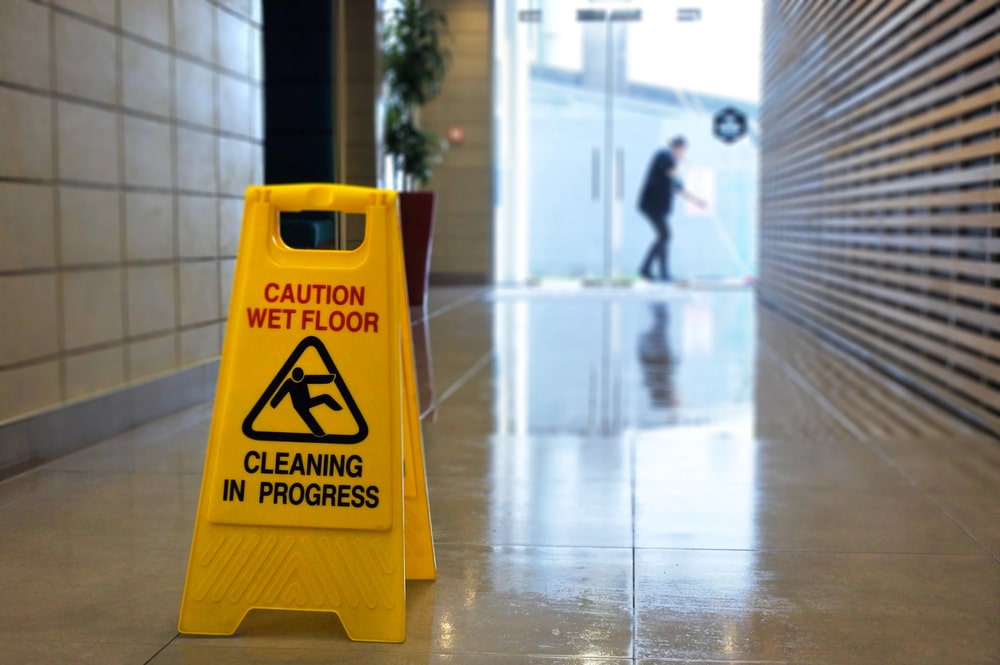 A fall can do far more damage than people expect, especially onto a hard floor or down a set of stairs. Falls are the single largest source of injuries treated in emergency rooms nationally. According to CDC injury data, about one in four adults age 65 and older falls each year, and those falls lead to roughly nine million injuries requiring medical attention.
Younger people fall too, and the cause is often a condition someone else was supposed to maintain: a wet floor with no sign, a broken stair, ice left on a walkway, or a torn mat. In St. Louis, MO, these falls happen in grocery stores, restaurants, apartment buildings, and shops across the city and county. When a property owner’s carelessness created the hazard, the injured person may have a claim for the medical bills and other losses that follow.
Common Causes of Slip and Fall Injuries in St. Louis
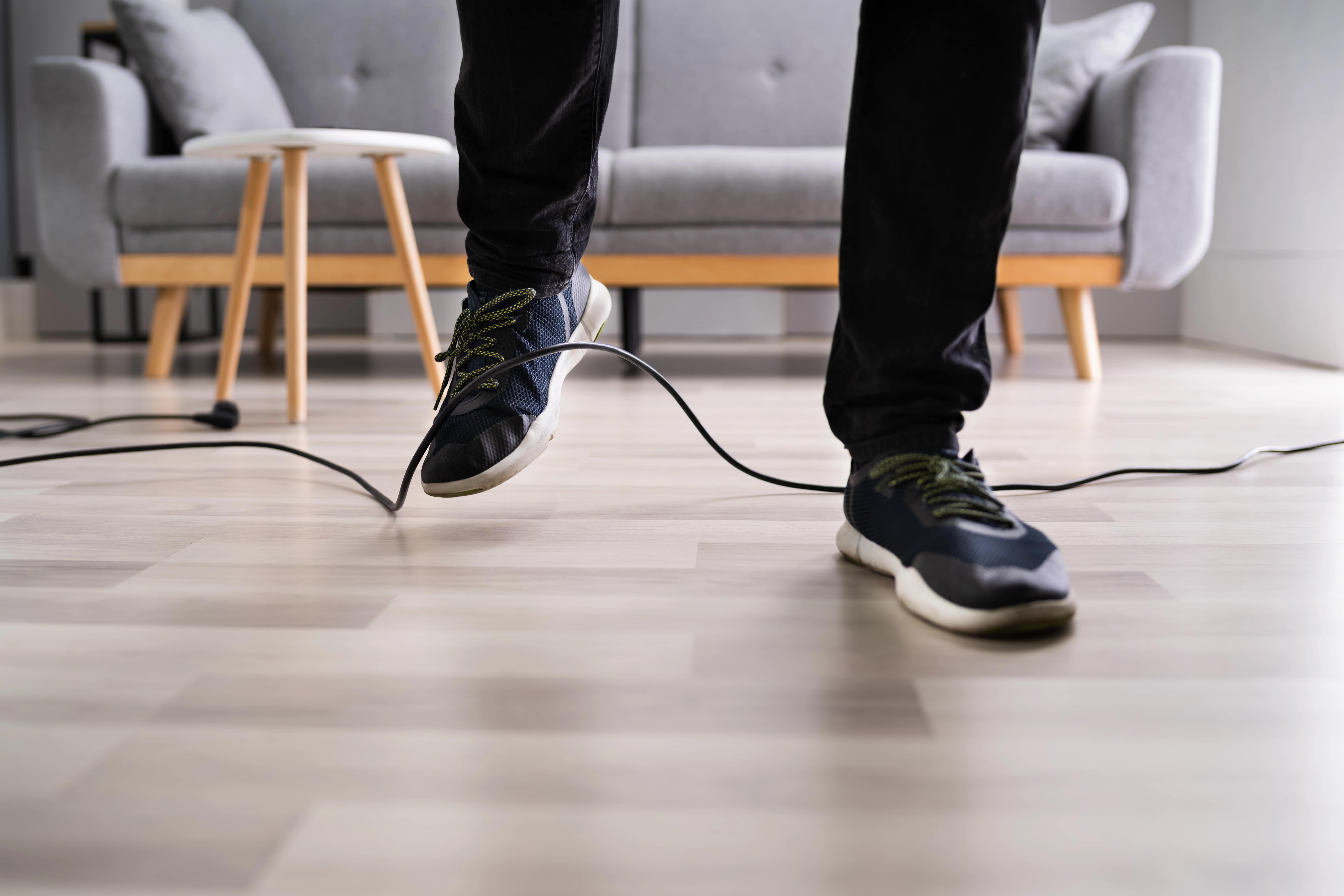
Most slip and fall injuries come from a hazard the property owner could have fixed or warned about. Showing the owner was negligent in allowing that hazard is the core of the claim. The causes below are the ones we see most often in St. Louis.
- Wet and slippery floors. Spills, freshly mopped surfaces, and water tracked in from rain or snow are leading causes of falls in stores and lobbies, particularly when there is no warning sign and the spill sat long enough that staff should have handled it.
- Ice and snow. Untreated ice on walkways, steps, and entrances causes a wave of falls every winter. Whether the owner is responsible can depend on how the ice formed and whether the property failed to address it.
- Uneven floors and trip hazards. Torn carpet, loose tile, raised thresholds, and sudden changes in floor height catch people who have no reason to expect them. A defect the owner knew about and left in place can support a claim.
- Poor lighting. A dim stairwell or a dark entryway hides a hazard that a person would otherwise step around. Lighting the owner failed to maintain is a common factor in these falls.
- Damaged stairs and missing handrails. Worn or uneven steps and a loose or absent handrail turn an ordinary set of stairs into a fall risk. The evidence of the stair’s condition often decides the case.
- Debris and obstacles in walkways. Merchandise left in an aisle, cords across a floor, or clutter in a path causes falls that a reasonably maintained property would have prevented.
St. Louis Slip and Fall Lawyer FAQs

When is a property owner responsible for my fall?
When the owner’s carelessness caused it. If a hazard existed that the owner created or knew about and failed to fix or warn about within a reasonable time, and that hazard caused your fall, the owner may be responsible. The question is whether the owner acted reasonably.
What if the insurer says the hazard was obvious?
That is a common defense, and it runs into Missouri’s pure comparative fault rule. Being found partly at fault reduces your recovery by your share rather than ending it. Whether a hazard was truly obvious is a fact question that the photos, the lighting, and witness accounts help answer.
How do I prove the floor or surface was dangerous?
Photographs of the hazard before it is cleaned or repaired, the incident report you filed with the property, witness statements, and any camera footage from the property or nearby. That footage is often recorded over within weeks, so getting a request in early frequently determines how strong the claim is.
The store cleaned it up right after I fell. Does that hurt my case?
Not necessarily, but it makes early documentation important. Owners often clean or repair a hazard soon after a fall, so the photographs taken at the time, the names of witnesses, and the incident report carry significant weight in showing what the condition was.
Should I report the fall before I leave?
Yes, when you are able. Telling the property’s staff and asking for a written incident report creates a record of where and when the fall happened. Collect the names of any employees and witnesses too, since that information is hard to recover later.
How long do I have to file a slip and fall claim?
Missouri generally allows five years from the date of the fall to file most injury claims, a deadline explained in plain terms by resources like Nolo. The evidence that proves these cases changes quickly, so it is better to act long before that window closes.
What if I fell in a parking lot or outside a store?
The same principles apply outdoors. A parking lot or walkway with broken pavement, ice, or poor lighting can support a claim against the owner when those conditions cause a fall, just as an indoor hazard can.
What injuries do slip and falls usually cause?
Falls often cause broken wrists and hips, back and spine injuries, and brain injuries when someone strikes their head. These can be serious, particularly for older adults, and a head injury may have effects that are not obvious right away.
Should I give the property’s insurance company a statement?
You can report the fall, but be careful about a recorded statement to the owner’s insurer. Those adjusters work for the property, and an early statement given before you know how badly you are hurt can be used to argue you were careless or that the injury is minor.
Will my slip and fall case go to trial?
Most settle once treatment stabilizes and the injuries are documented. A case is more likely to head toward court when the owner’s insurer disputes responsibility or undervalues a serious injury, and even many of those resolve before reaching a jury.
What is a slip and fall claim worth?
It depends on the severity of the injury, the treatment needed, lost income, and the insurance available. Because responsibility in these cases is often disputed, the strength of the evidence matters as much as the injury itself. A reliable figure has to wait until the medical records are complete.
What does a slip and fall lawyer charge?
The first consultation is free, and these cases are handled on a contingency fee. The fee comes from any recovery, and there is no fee if there is no recovery, so you can pursue the claim while focusing on getting better.
Local Information for St. Louis Slip and Fall Cases

Slip and fall injuries in St. Louis happen in grocery stores, restaurants, apartment complexes, and shops throughout the city and county. After a fall, a written incident report, medical care, and any available camera footage tend to matter most, and the contacts below come up often.
Important Local Resources for St. Louis Slip and Fall Cases
Following a fall, you may need to report the hazardous condition or seek medical attention. The contacts provided below are informational only and do not represent an endorsement by the firm.
- City of St. Louis Citizens’ Service Bureau, to report a sidewalk or public-property hazard: (314) 622-4800
- St. Louis Metropolitan Police Department, for an injury involving criminal conduct: (314) 231-1212
- Mercy Hospital St. Louis, emergency and orthopedic care: (314) 251-6000
- Barnes-Jewish Hospital, regional trauma care: (314) 747-3000
About Schmittgens Injury Law Firm
Schmittgens Injury Law Firm represents people hurt in falls on commercial and residential property across St. Louis. Rob Schmittgens founded the firm so that the injured client works directly with the lawyer handling the claim rather than through support staff. In slip and fall cases, where the property’s insurer often disputes responsibility, that means one attorney securing the footage, the incident report, and the witness accounts from the start.
Schmittgens Injury Law Firm — St. Louis Slip and Fall Lawyers
555 Washington Ave #310, St. Louis, MO 63101
What Our Clients Say
★★★★★
“I fell hard on a patch of ice outside a business that never bothered to salt the walkway, and I broke my wrist. Rob handled the whole claim, got the footage that showed the condition, and dealt with the insurance company while I recovered. He was honest about what to expect and got me a result that covered my surgery and lost wages. Highly recommend.” — Carly Schaber
Read more reviews on our Google Business Profile.
Contact Schmittgens Injury Law Firm

A fall can leave you with a real injury and a property owner who has already cleaned up the evidence. The sooner a lawyer is involved, the better the odds of preserving what proves the claim. Rob Schmittgens requests the surveillance video, collects the witness accounts, and handles the insurer while you recover. Consultations are free, and the firm’s fee comes only from a recovery. Schedule a consultation with Rob before the footage is gone.