 (314) 222-2486



Trusted motorcycle accident lawyers with over 10 years of experience.
If you’ve been hurt in a motorcycle crash in St. Louis, you may be facing severe injuries and an insurance adjuster who is already building a narrative around rider speed, lane position, or gear. Adjuster bias against riders is a documented pattern that affects both negotiation tactics and trial preparation in motorcycle injury cases.
Schmittgens Injury Law Firm represents people injured in motorcycle crashes across St. Louis. Our founder Rob Schmittgens has handled motorcycle injury claims for ten years. Talk to a St. Louis, MO motorcycle accident lawyer riders can rely on. Schedule a free consultation today.
Motorcycle Accident Lawyer St. Louis, MO

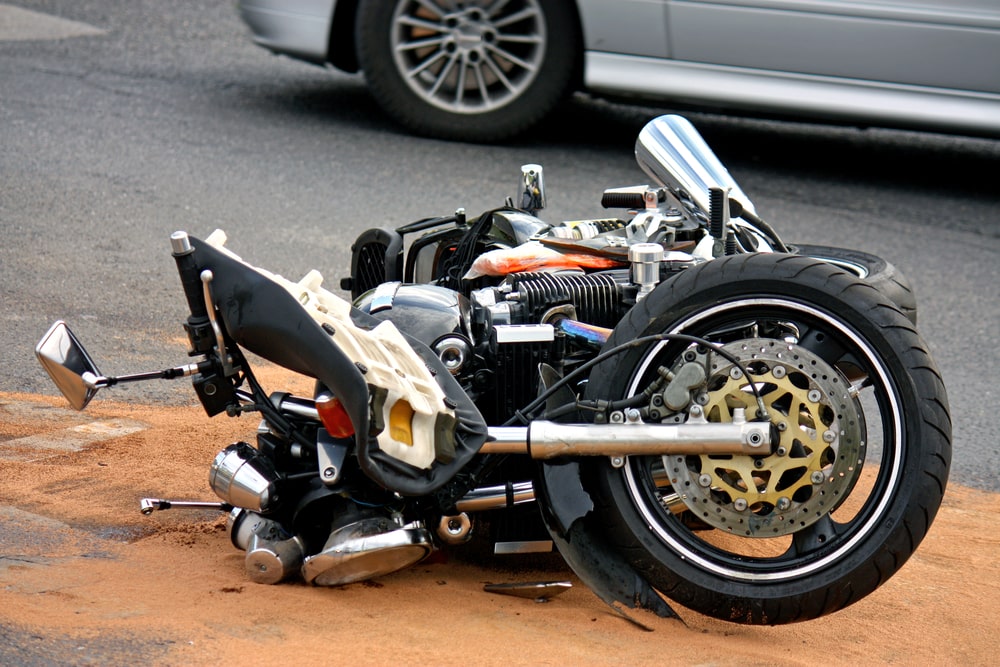
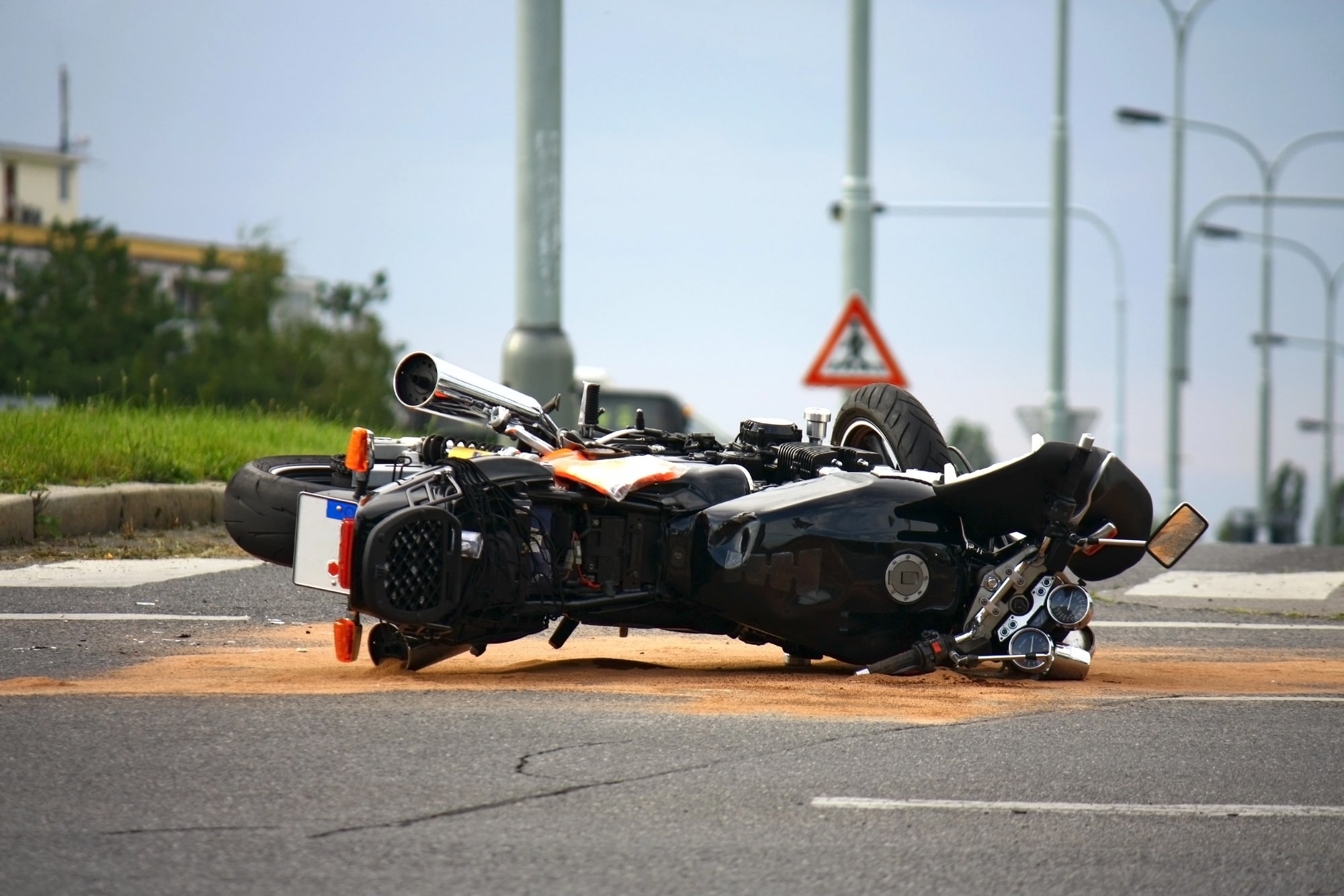
Motorcycle injury cases differ from typical motor vehicle claims in two practical ways. First, riders lack the structural protection of an enclosed vehicle, which means injuries tend to be severe and damages presentation requires careful medical documentation and future care planning. Second, both adjusters and juries often arrive with preconceptions about riders, and a motorcycle accident attorney’s work includes preempting those assumptions through reconstruction, witness testimony, and physical evidence from the scene. Skid marks, lay-down patterns, and the position of the bike relative to the vehicle that struck it can establish fault in ways not relevant to a four-wheel collision case.
Types of Motorcycle Accident Cases We Handle in St. Louis

Motorcycle injury claims tend to fall into a handful of recurring patterns. The work changes substantially depending on whether the case involves an inattentive driver, a road hazard, defective equipment, or another set of facts. Below are the case types we handle most often for riders in the St. Louis area.
- Left-turn collisions. The most common motorcycle crash pattern involves a vehicle turning left across the path of an oncoming rider. Drivers frequently claim they did not see the bike, and the case turns on visibility evidence and right-of-way analysis.
- Lane change and merging crashes. Drivers changing lanes without seeing a motorcyclist in the adjacent lane often cause sideswipe or run-off-the-road events. Mirror visibility, signal use, and rider position factor into the analysis.
- Rear-end collisions. Riders stopped at intersections or in slowed traffic are vulnerable to rear-end strikes. Even low-speed impacts can cause significant injuries when the rider has no surrounding vehicle structure.
- Dooring incidents. A parked vehicle opening a door into a passing rider can produce serious injuries. Liability typically rests with the vehicle occupant under Missouri’s careful operation duty.
- Road hazard crashes. Potholes, debris, gravel, and inadequate signage can cause crashes whose underlying responsibility lies with a public entity, contractor, or property owner rather than the rider. These cases require fast investigation before the hazard is repaired.
- Single-vehicle crashes caused by another driver. A car that runs a rider off the road without making contact can still be liable. Witness identification and physical evidence are essential when there is no point-of-impact damage.
- DUI accidents. Crashes caused by impaired drivers often support punitive damages, and the related criminal proceedings can produce evidence we use in the civil case.
- Hit and run accidents. When the at-fault driver flees the scene, your own uninsured motorist policy generally becomes the recovery source, subject to proof requirements that depend on your carrier’s policy language.
- Traumatic brain injury and catastrophic cases. The injury severity in motorcycle crashes routinely produces head injuries, spinal damage, and long-term disability. We coordinate with neurologists and life-care planners to document long-term needs.
- Fatal crashes and wrongful death claims. Missouri law allows specific surviving family members to bring a wrongful death action, and motorcycle fatalities often involve aggravated negligence by the at-fault driver.
Why Choose Schmittgens Injury Law Firm for Motorcycle Accident Cases in St. Louis, MO?

Plaintiff-Side Motorcycle Injury Experience
Founder Rob Schmittgens has spent ten years representing plaintiffs in motor vehicle and motorcycle injury matters. He earned admission to the Missouri Bar in 2016 and the Illinois Bar in 2017, and he practices in the Eastern District of Missouri. Before founding Schmittgens Injury Law Firm, Rob handled personal injury and workers’ compensation cases at several area firms, taking matters from intake through final resolution.
Rob graduated with honors from Quincy University in 2013 and earned his J.D. at the UMKC School of Law. He maintains active memberships in the Missouri Association of Trial Attorneys, the Illinois Trial Lawyers Association, and the Bar Association of Metropolitan St. Louis (BAMSL).
Contingency Fee Representation
Motorcycle injury matters at our firm are handled on a contingency fee basis. We do not require retainers or hourly billing, and we advance the costs of investigation, records production, deposition transcripts, and court fees on behalf of our clients. Our firm has secured millions of dollars recovered for clients across the matters we have handled. If we do not produce a recovery, you owe us nothing for our time.
Understanding Motorcycle Accident Cases
Damages, Liability, and Compensation for Motorcycle Accident Cases
Motorcycle accident damages typically run higher per case than damages in standard motor vehicle claims because the injury severity is greater and recovery periods are longer. Available categories include economic and non-economic losses, plus property damage extending beyond the motorcycle itself.
Common categories of motorcycle accident recovery include:
- Medical expenses, including emergency care, surgery, rehabilitation, and future treatment
- Lost wages and reduced future earning capacity, particularly for trades that require physical work
- Damaged motorcycle, replacement value, or repair costs
- Damaged riding gear, including helmet, jacket, boots, gloves, and protective equipment
- Pain and suffering, inconvenience, and emotional distress
- Loss of consortium for spouses
Liability in motorcycle cases turns on negligence by another driver, and Missouri applies pure comparative fault to allocate responsibility. A rider found 20 percent at fault can still recover 80 percent of established damages. Carriers routinely attempt to assign higher fault percentages to riders by pointing to speed, lane position, or gear, which makes early documentation of the scene, the police report, and witness statements important to the case.
Important Aspects in Your Motorcycle Accident Case
Several practical realities shape nearly every motorcycle injury claim. Recognizing them at the outset helps preserve evidence and protect the value of the case.
- Insurance adjusters often arrive with assumptions about rider behavior that should be addressed early
- Damaged riding gear should be photographed and preserved before disposal or replacement
- Witness statements taken in the days after the crash are critical when the at-fault driver disputes liability
- Helmet condition can become evidence in head injury cases, both for damages and for any contributory fault arguments
- Soft tissue injuries from a motorcycle crash often have delayed onset
- Missouri’s five-year statute of limitations governs filing deadlines for personal injury claims, including motorcycle injury cases
The motorcycle itself contains evidence relevant to the cause and severity of the crash. Repairing or selling it before documentation is complete can affect both the liability and damages presentation.
Motorcycle Accident Case Timeline
Motorcycle injury claims generally follow a predictable case timeline, though duration varies with injury severity and the conduct of the insurance carrier.
- Initial consultation, scene investigation, and evidence preservation
- Active medical treatment until maximum medical improvement is reached
- Records and bills collected, demand letter prepared and submitted
- Negotiation with the insurance carrier, generally 30 to 90 days
- Filing suit if negotiations stall or available limits are insufficient
- Discovery, depositions, and mediation, followed by trial or settlement
Resolution timelines vary substantially by case complexity. Cases involving long-term disability, head injury, or multiple defendants often take longer than a year to conclude. Settlement before treatment ends typically results in a recovery below the case’s actual value.
What to Bring to Your Motorcycle Accident Consultation
Bringing the right materials to your initial consultation makes case evaluation more efficient.
- The crash report or its incident number for ordering a copy
- Photographs of the motorcycle, the scene, your gear, and any visible injuries
- Insurance information for every party involved, including your own declarations page
- Medical records and bills you have received
- The names and contact information of any witnesses
- Documentation of your motorcycle’s condition before the crash, including any modifications
Documents you cannot locate at the time of the meeting can be requested on your behalf after we are retained. Initial consultations are at no cost and typically run for about an hour. You will leave with a candid assessment of the claim, including the strengths, the likely defenses, and a realistic range for the case’s value.
Missouri Legal Resources for Motorcycle Accidents
Several Missouri statutes and federal sources are commonly referenced in motorcycle injury cases. The resources below may be useful as you prepare for an initial consultation.
- Missouri’s motorcycle helmet law requires helmets for riders under age 26 and for any rider holding an instruction permit. Following 2020 amendments, riders 26 and older may operate without a helmet only if they meet RSMo § 302.026‘s health insurance requirement.
- Motorcycle operators in Missouri must hold a Class M endorsement on their driver’s license, with separate written and skills testing requirements administered by the Department of Revenue.
- The Missouri Highway Patrol maintains crash records that are commonly used in motorcycle injury cases occurring on state roads, highways, or interstates.
- National motorcycle crash data published by NHTSA tracks fatality and injury trends for riders nationwide.
- The CDC injury center publishes motorcycle-related injury statistics relevant to damages presentations in serious injury cases.
These sources reflect general rules and available data. The value of any individual case depends on the specific facts of the crash, the medical evidence, and the carrier involved.
Reach Out to Schmittgens Injury Law Firm to Schedule a Consultation

If you have been hurt in a motorcycle crash in St. Louis, contact Schmittgens Injury Law Firm before providing a recorded statement to the at-fault carrier. We will examine the police report, review your insurance coverage, and provide an honest assessment of whether you have a case worth pursuing. Initial consultations are provided at no cost, and our representation is on a contingency basis.
Motorcycle Accident Statistics in St. Louis

The Missouri Department of Transportation reported 175 motorcyclist deaths on state roads in 2023, a 14 percent increase from 153 the year before. That was the highest motorcyclist death toll the state has ever recorded, and it ran nearly 50 percent above the yearly average from before Missouri repealed its all-rider helmet law in 2020. NHTSA research finds that helmets reduce rider fatalities by 22 to 42 percent. These crashes rise in the warm months, when more riders are on the road across St. Louis, MO and traffic runs heaviest.
Common Causes of Motorcycle Accidents in St. Louis

Most motorcycle crashes come down to another driver who failed to account for the rider. The cause matters from the first day, because it tells us who is at fault and what evidence will prove it. These are the patterns we see most often in the motorcycle injury claims we handle across St. Louis.
- Left-turn collisions. A car turning left across an oncoming rider is the most common crash of all, and the driver nearly always claims the motorcycle was not visible.
- Unsafe lane changes. A driver who changes lanes without checking a blind spot can sideswipe a rider or force one off the road, and signal use and mirror checks become central to fault.
- Following too closely. A rider stopped in traffic has no protection from behind, so even a low-speed rear-end collision can cause serious injury.
- Dooring. A vehicle occupant who opens a door into a passing rider can be held liable under Missouri’s duty of careful operation.
- Road hazards. Potholes, loose gravel, debris, and missing signage can cause a crash for which a public agency or contractor, rather than the rider, is responsible.
- Impaired driving. Alcohol and drugs slow a driver’s reactions, and a crash caused by impairment can open additional categories of recovery.
- Speeding. A driver moving too fast has less time to see a small motorcycle and less room to avoid it.
- Distracted driving. A driver looking at a phone rarely notices a rider in time, and Missouri’s hands-free law applies when that inattention causes a crash.
Drivers often say the rider came out of nowhere, but the physical evidence usually tells a different story. Skid marks, the resting position of the bike, and the pattern of damage can show what actually happened. We collect that evidence quickly, before the scene is cleared and before a road hazard is repaired.
St. Louis Motorcycle Accident Lawyer FAQs

How much does it cost to hire a St. Louis motorcycle accident lawyer?
We work on a contingency fee, so there is nothing to pay upfront and no hourly billing. Our fee is a share of the recovery, and we collect it only if we win. While the case is open, we cover the cost of the investigation, the records, and everything else the claim requires. If the case ends without a recovery, you owe us nothing for the work we did.
Is the consultation really free?
It is, and the first meeting lasts about an hour. Bring whatever paperwork you have, and we will go through how the crash happened, what insurance applies, and how an adjuster is likely to characterize your riding. You are not committed to anything afterward. Some people meet with us, get the answers they came for, and choose to move ahead on their own.
Why do insurers treat motorcycle claims differently?
Many adjusters and jurors begin with a low opinion of riders, blaming speed, lane position, or the absence of a helmet before they know the facts. A large part of our job is taking those assumptions apart with reconstruction, witness accounts, and the evidence left at the scene. We address that bias from the start, because an insurer that builds its file around it will hold to that story through negotiation and at trial.
Does it matter whether I was wearing a helmet?
Missouri requires a helmet for riders under 26 and for anyone riding on an instruction permit. Older riders may go without one if they carry the health coverage the law requires. A rider who was lawfully unhelmeted still has every right to recover. An insurer may argue that the missing helmet made the injuries worse, and we answer that with medical evidence about how and where the harm actually occurred.
Who can be held responsible for a motorcycle crash?
The driver who caused the wreck is the usual defendant, but responsibility can extend further. A road hazard may put a public agency or its contractor at fault, and a defective part may bring in the manufacturer. We trace liability to each of them because each may carry separate insurance, and a rider’s injuries are often too serious to leave any coverage unexamined.
What is my motorcycle accident case worth?
We cannot put a figure on it the day you call. The value depends on how badly you were hurt, how long you treat, the income you lose, and the insurance available to pay. Riders absorb the full force of a crash, so recovery is often long and future care is frequently part of the picture. We wait until your treatment shows the lasting effects, then prepare the demand for damages and bring it to the insurer.
What injuries are common in motorcycle crashes?
A rider is exposed in a way a driver is not, and the injuries reflect that. We regularly see road rash, broken bones, back injuries, and brain injuries that stay with a person long after the crash. Some of these do not appear until the shock wears off, which is why a same-day medical visit matters. From there, we document the injuries with the doctors treating you.
Should I talk to the at-fault driver’s insurer?
Talk to a lawyer before you give that insurer a statement. The adjuster works for the insurance company, and the goal is to pay as little as possible. A recorded statement taken while you are in pain and still learning the extent of your injuries can later become an argument that the harm was minor or that you rode carelessly. We handle those calls so an early remark does not reduce your recovery down the line.
How long do I have to file a motorcycle accident claim in Missouri?
Missouri generally gives an injured rider five years from the crash to file a personal injury lawsuit, and the period is shorter when a family brings a claim after a death. That is the legal limit, not a schedule to follow. Bikes are repaired or sold, road conditions are patched, and witnesses move away, so the real window to secure the proof closes well before the deadline.
What should I do after a motorcycle crash?
If you can, photograph the bike, your gear, the road, and your injuries before anything is moved, and write down the names of any witnesses. Keep your helmet and gear rather than discarding them. See a doctor that day even if you feel fine, since injuries can appear later. The first hours carry weight through the rest of the case, and our overview of what to do after a wreck walks through each step.
Will my motorcycle accident case go to trial?
Most settle. The bias riders face can make insurers slow to offer fair value, and that sometimes moves a case toward a lawsuit. We prepare every file as though it will reach a jury, and that preparation usually brings the offers up. Whether your case settles or goes to trial depends on the facts and on whether the insurer will pay what the claim is worth.
Local Information for St. Louis Motorcycle Accident Cases

Most Dangerous Locations for Motorcycle Accidents in St. Louis
Riders face the most danger where traffic moves fast and where drivers turn and merge often. The routes below come up repeatedly in serious rider crashes, and our overview of dangerous roads explains the conditions behind them.
- Interstate 64 / Highway 40. High speeds and dense merging traffic through the city leave little margin for a smaller, less visible motorcycle.
- Interstate 44. Heavy commuter and freight volume raises the risk of a lane-change or following-too-closely strike on a rider.
- Interstate 70. A busy corridor where speed differences between vehicles increase the danger to motorcyclists.
- Gravois Avenue. A long surface arterial with frequent intersections and left-turn conflicts, a common setting for rider crashes.
- Kingshighway. Steady cross-city traffic and constant turning movements create repeated exposure for riders.
What Are Important Local Resources for St. Louis Motorcycle Accidents?
A few resources may help after a crash in the city, and we list them only as a convenience. Listing them is not an endorsement, and none of these organizations is affiliated with our firm.
- St. Louis Metropolitan Police Department, non-emergency (314) 231-1212, for filing a crash report and requesting a copy within city limits.
- Barnes-Jewish Hospital, (314) 747-3000, the region’s only American College of Surgeons verified Level I trauma center, for the severe injuries riders often sustain.
- Missouri Department of Transportation, 1-888-ASK-MODOT (275-6636), for road conditions, hazard reporting, and motorcycle safety information.
About Schmittgens Injury Law Firm
Rob Schmittgens has spent his career representing injured people rather than insurance companies, and he keeps each motorcycle case from start to finish instead of handing it off. Ten years of this work have shown him how a carrier builds its case around the rider’s conduct and how to take that case apart with evidence. He is a member of the Missouri Association of Trial Attorneys and the Illinois Trial Lawyers Association.
Schmittgens Injury Law Firm — St. Louis Motorcycle Accident Lawyers
555 Washington Ave #310, St. Louis, MO 63101
What Our Clients Say
★★★★★
“Rob is absolutely the man! Very professional, wonderful communication, extremely knowledgeable, and more helpful than I would have ever expected! He worked quick and hard to get me a magnificent settlement! I can’t recommend him enough.” — Deidre Cordia
Read more reviews on our Google Business Profile.
Contact Schmittgens Injury Law Firm

Insurers move quickly after a motorcycle crash, and they often look for ways to place the blame on the rider. Before you give the at-fault driver’s adjuster a statement, let our motorcycle accident attorney review your claim. We will read the police report, examine your coverage, and give you an honest assessment of whether it is worth pursuing in St. Louis, MO. The first meeting costs nothing, our fee comes only from a recovery, and a real person answers when you call. Reach out to us when you are ready.